
TV sound setup accessories for better TV audio
TV sound setup accessories refer to the supporting components used to connect, position, and configure audio output between a TV and external audio devices. They include items that influence how TV audio is transmitted and how sound is physically arranged around the screen. These accessories function as decision-support elements that help align soundbar, speakers, and other audio devices with the TV’s available output options and setup conditions.
Different TV environments require different configurations of TV sound setup accessories depending on TV ports, audio device inputs, and listening goals. TV sound setup accessories are part of broader TV setup accessories ecosystem that organizes how cables, adapters, mounts, and control elements interact within a TV system. In practice, HDMI ARC or optical audio cable connections may be used for wired audio transfer, while a TV audio adapter or Bluetooth audio adapter may support alternative or wireless audio paths. Soundbar mount solutions are often used when physical placement and alignment affect clarity and usability.
When TV ports do not match audio device inputs or when compatibility between devices is limited, sound issues or incomplete audio transfer can occur. These situations are typically addressed by selecting the appropriate TV audio adapter, confirming HDMI ARC or optical audio cable support, or adjusting Bluetooth audio adapter pairing conditions. Soundbar mount positioning also becomes relevant when placement affects clearance, direction, or stability. Selection decisions are generally based on compatibility between TV ports, device support, and setup requirements rather than a single universal configuration.
TV sound setup accessories do not replace full home theatre planning and are limited to supporting TV audio connection and placement functions. Their role is to improve alignment between devices and ensure that setup conditions match available TV audio options and physical constraints.
What TV sound setup accessories include
TV sound setup accessories are cables, adapters, brackets, soundbar mounts, and wireless audio add-ons used to connect or position audio devices for TV sound output. They define the setup role of linking TV ports with an audio device and ensuring audio signal transfer and physical placement work within the limits of the configuration.
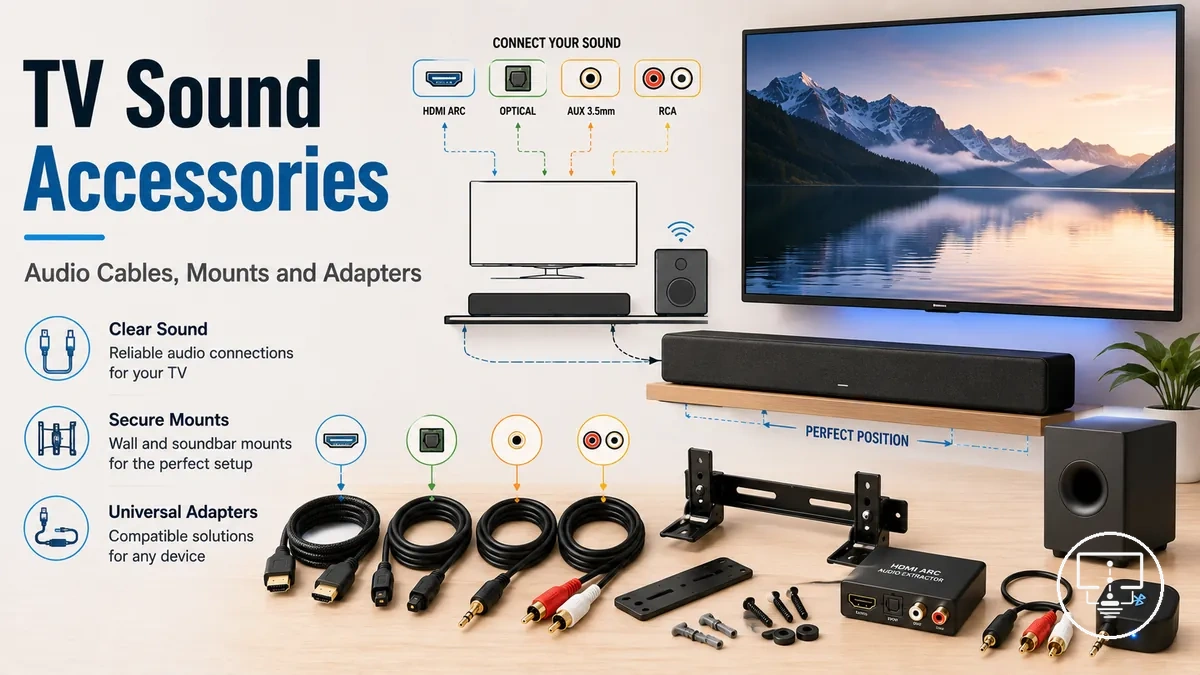
TV sound setup accessories include audio cables, adapters, brackets, soundbar mounts, and wireless audio add-ons that interact with TV ports and an audio device to complete the setup role based on compatibility and placement conditions. The image below labels the main accessory groups and shows how they relate to TV audio structure.

- Audio cables: connect TV ports to a soundbar or external audio device for direct TV audio transfer depending on available inputs.
- Adapters: act as TV audio adapter or Bluetooth audio adapter options when ports and device compatibility require signal conversion or wireless pairing.
- Brackets: provide structural support for positioning audio devices close to the TV while maintaining clearance and alignment.
- Soundbar mounts: handle wall or surface placement to align soundbar output direction with the TV viewing position.
- Wireless audio add-ons: support Bluetooth-based or wireless listening setups where cable routing is limited by layout or distance.
TV sound setup accessories are not a single universal solution, as their selection depends on TV ports, audio device compatibility, and physical setup requirements. Each accessory group serves a specific setup role rather than forming a complete configuration.
TV audio cable and adapter types for sound setups
TV audio cable and adapter types for sound setups refer to the connection options used to transfer audio between a TV and an audio device. These types are defined by signal type, connector design, and device support, and they frame how TV sound output is delivered through different physical or wireless paths.
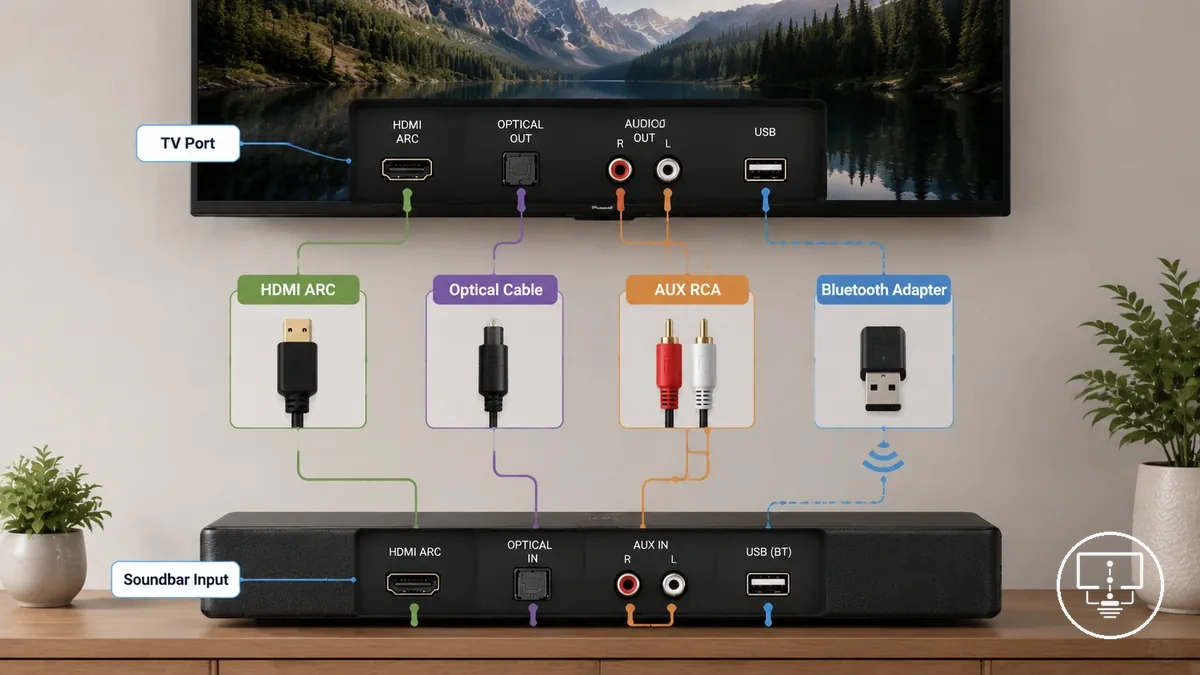
TV audio cable and adapter types for sound setups depend on TV ports, signal type, and device support. This determines whether the connection is digital, analogue, or wireless, and whether it requires direct connection or signal conversion. The selection is guided by how the TV output format matches the audio device input requirements.
HDMI ARC or eARC cables are used when both the TV port and audio device support audio return control through HDMI, allowing synchronized audio transfer and simplified control. Optical audio cable connections provide a digital signal path when HDMI ARC is not available, but they do not support control signals. AUX and RCA cables are used for analogue audio output in older devices, where signal format compatibility is limited to basic stereo transmission.
Bluetooth adapters are used when wireless audio output is required, depending on pairing capability and device support. In cases where formats do not match, active converters may be required to bridge signal differences, although performance and compatibility depend on the specific device configuration.
The selection of TV audio cable and adapter types is often mistaken as plug shape matching, but it is actually determined by signal type and device support requirements. A closer breakdown of audio connection accessories shows that compatibility depends on both output format and input capability rather than physical connector similarity alone.
| Accessory type | Connector or signal | Needed condition | Setup effect or limitation |
|---|---|---|---|
| HDMI ARC/eARC cable | Digital HDMI audio return | TV and audio device support ARC/eARC | Enables controlled audio return with high device integration when supported |
| Optical audio cable | Digital optical signal | TV optical output and compatible audio input | Stable digital audio without HDMI control features |
| AUX or RCA cable | Analogue audio signal | Analogue ports on TV and audio device | Basic stereo output with limited format support |
| Speaker cable adapter | Speaker-level signal connection | Amplifier or passive speaker compatibility | Requires matching amplification setup |
| Bluetooth audio adapter | Wireless Bluetooth signal | Pairing support on TV and receiver | Wireless audio with possible latency depending on device support |
| Active converter | Digital-to-analogue or format conversion | Mismatched TV and audio device formats | Enables cross-format connection with conversion limits |
HDMI ARC and eARC cables for soundbars
HDMI ARC and eARC cables for soundbars depend on a compatible HDMI port, correct cable standard, and configured TV audio settings to enable audio return from the TV to the soundbar. HDMI ARC and eARC act as HDMI audio return paths when device support is aligned across both the TV HDMI port and the soundbar input, so proper configuration is required for stable sound output.
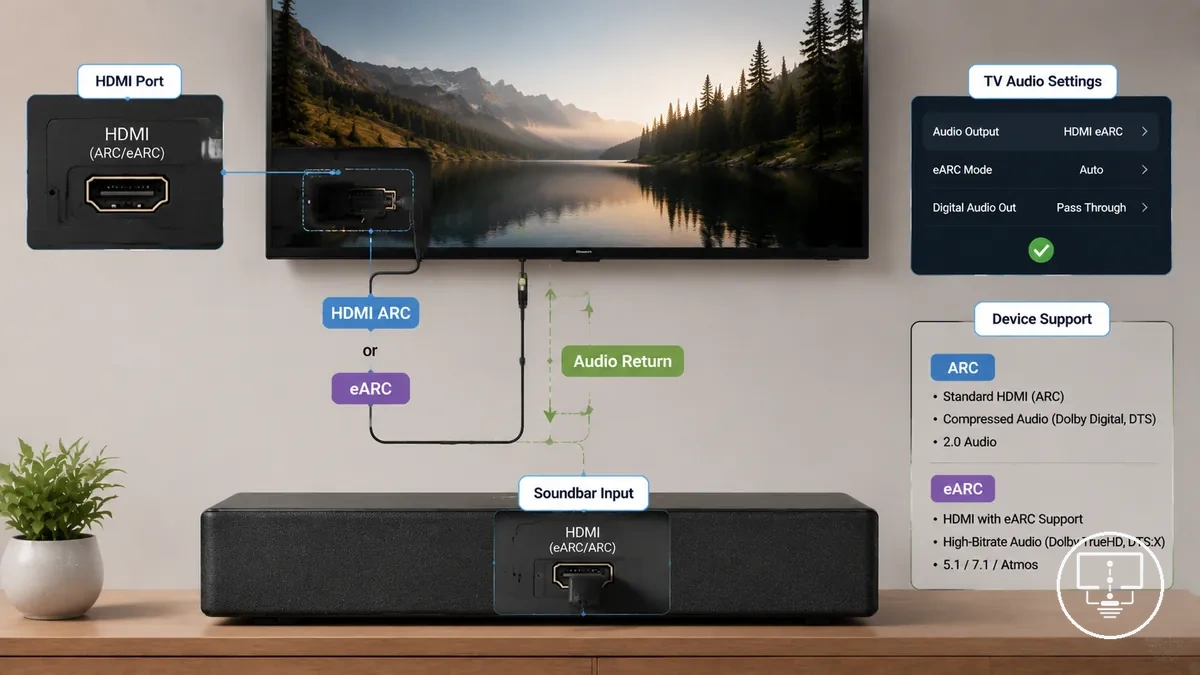
HDMI ARC sends TV audio through a designated HDMI port back to the soundbar using an ARC connection, while eARC supports an extended HDMI audio return capability depending on cable standard and device support. The resulting audio format and control behavior depend on how the TV HDMI port, soundbar HDMI input, and TV audio settings interact during setup, rather than the cable alone.
In typical scenarios, ARC or eARC activation requires matching ports on both devices and enabling the correct TV audio settings for HDMI output. The cable standard supports the connection, but soundbar behavior still varies based on device support and HDMI configuration across the system.
HDMI ARC and eARC are often assumed to work universally across all HDMI cables, but this is not accurate because audio return depends on supported ports and system configuration. Even with a compatible cable standard, the final audio outcome is determined by TV HDMI port capability, soundbar support, and correct audio settings rather than the cable itself.
Key setup checks for HDMI ARC and eARC soundbar connections:
- HDMI ARC or eARC port label on TV and soundbar
- Correct HDMI port connection between both devices
- TV audio settings configured for HDMI audio return
- Soundbar HDMI input set to ARC or eARC mode
- Device support compatibility for ARC or eARC function
Optical audio cables for TV sound output
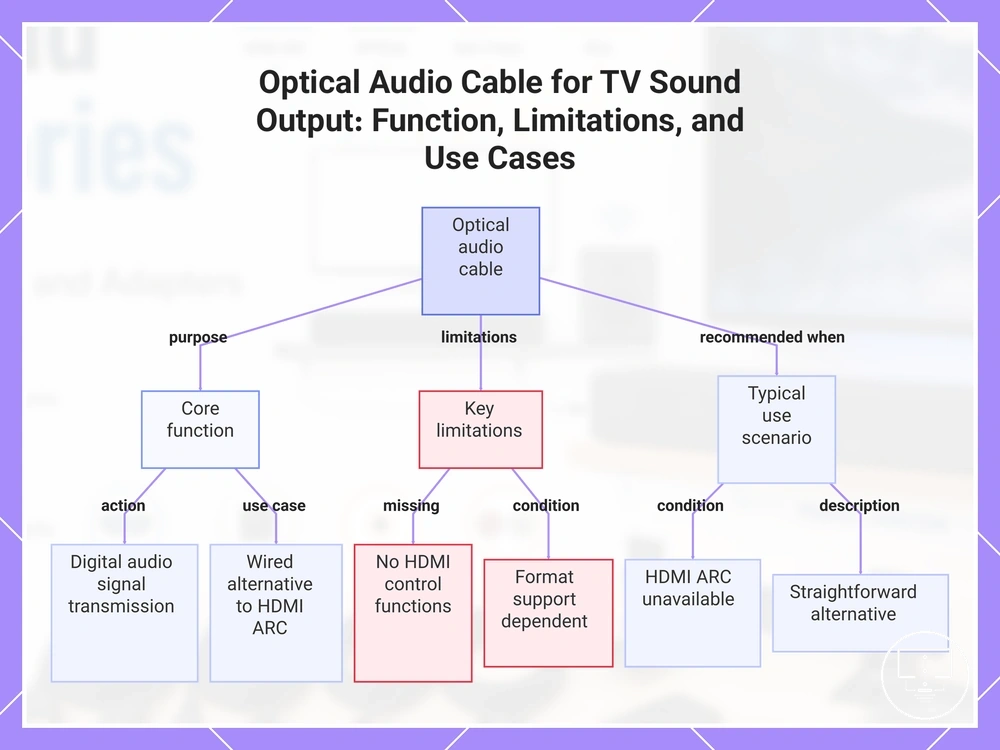
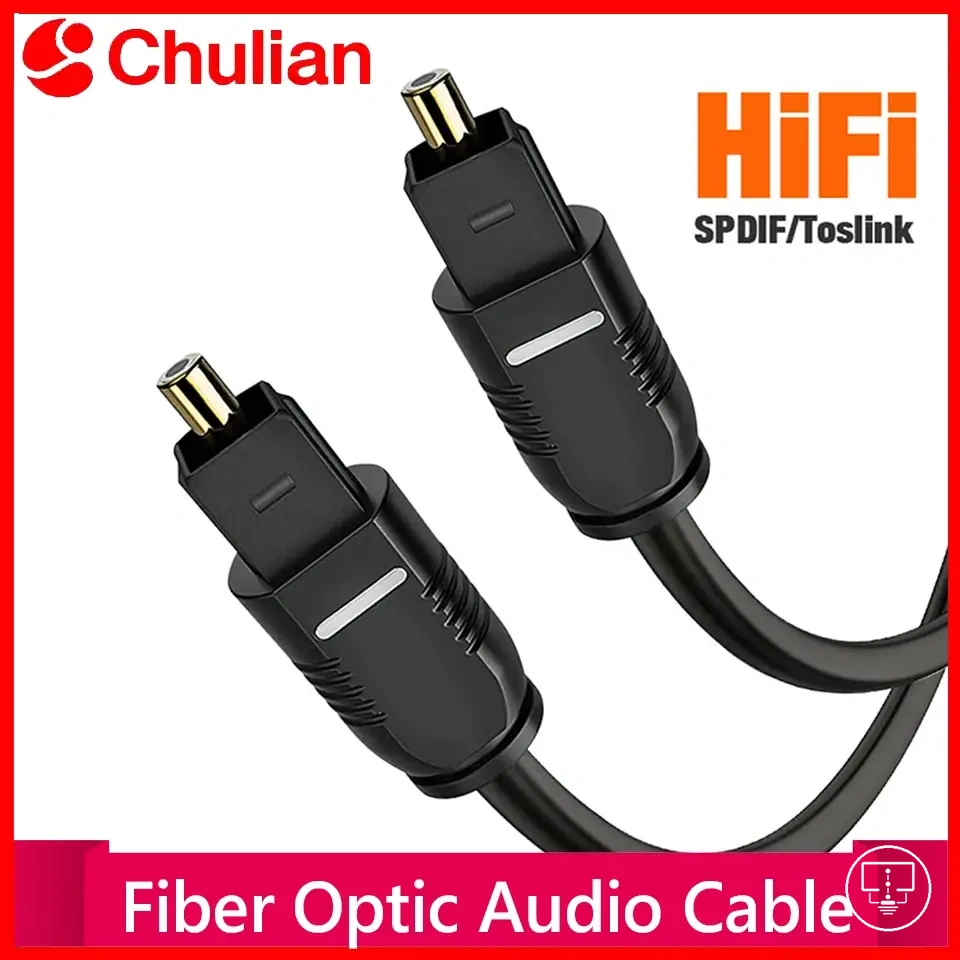
An optical audio cable sends a digital audio signal from a TV optical port to a soundbar or speaker system, providing a wired audio output option when HDMI ARC is not available or not used. It is typically a practical choice when a stable digital audio connection is needed between the TV optical port and a compatible receiving device such as a soundbar or speaker system, depending on format support and device input compatibility.
The optical audio cable delivers a digital audio signal from the TV optical port to the connected soundbar or speaker system, but its actual audio output behavior depends on format support and device settings across both devices. While it can provide reliable wired transmission, it does not carry the same control functions as HDMI ARC, and compatibility may vary depending on how the TV optical output and the receiving device handle supported audio formats. Compared with HDMI ARC, optical output is often used as a straightforward alternative rather than a full-feature replacement, especially when HDMI-based audio return is not available.
This chart explains what an optical audio cable is, how it transmits digital audio, its limitations compared to HDMI ARC, and when to use it.
RCA, AUX, and speaker cable adapters for older audio equipment
RCA, AUX, and speaker cable adapters for older audio equipment depend on matching signal type as well as connector shape to work with TV audio output. Older audio equipment requires alignment between TV output, adapter input, and analogue audio handling, so compatibility is determined by both physical connection and signal conversion needs.
In practice, RCA adapter, AUX adapter, or speaker cable adapter connects the TV output to older audio equipment through an adapter input designed for analogue audio. The result depends on whether the device is powered or passive: powered equipment can accept analogue audio directly, while passive speaker setups often require additional amplification. In many cases, the final output varies depending on whether a passive adapter is used or an active converter is required for signal handling.
A connector match alone does not ensure proper function because signal conversion may still be required between TV output and older audio equipment. A passive adapter only bridges physical connections, while an active converter handles digital audio to analogue audio conversion when needed, so compatibility depends on correct signal handling rather than connector shape alone.
Compatibility checklist:
- TV output type matches RCA, AUX, or speaker-level connection requirement
- Adapter input matches older audio equipment port type
- Signal type identified as analogue audio or requiring active conversion
- Device is powered or passive depending on setup requirement
- Volume control behavior is supported across the connection chain
Bluetooth audio adapters for wireless TV listening
A Bluetooth audio adapter is used for wireless TV listening by transmitting audio from a TV output to headphones, speakers, or a soundbar through a paired Bluetooth connection. It only functions when the TV output and receiving device support compatible pairing and codec support, making it a conditional wireless solution rather than a universal audio method.
Wireless TV listening through a Bluetooth audio adapter depends on adapter type, power source, pairing behavior, codec support, and the receiving device such as headphones, speakers, or a soundbar. In practical use, a Bluetooth transmitter connects to the TV output, pairs with the receiving device, and delivers audio with outcomes that vary based on latency, range, and device compatibility. This means performance can shift depending on setup conditions and environmental interference.
Bluetooth audio adapters are often expected to deliver seamless synchronization, but real-world performance depends on codec support, pairing stability, and signal range. Wireless TV listening may introduce latency differences between audio and video, so results vary by device combination rather than providing fully consistent timing across all setups.
HDMI ARC, optical, AUX, and Bluetooth connection trade-offs
HDMI ARC, optical, AUX, and Bluetooth represent TV sound connection options that differ in TV ports, audio capability, control convenience, and delay risk. The best-fit setup depends on available TV ports, the connected audio device, and the required balance between control convenience and tolerance for delay limits.
Each connection option creates a different trade-off in TV sound setup. HDMI ARC typically improves control convenience when paired with compatible soundbars, optical focuses on stable digital audio without control integration, AUX or RCA relies on analogue audio for older devices with limited capability, and Bluetooth introduces wireless flexibility while increasing dependency on pairing stability and latency behavior. These connection trade-offs should be evaluated based on the intended setup condition rather than assumed superiority.
HDMI ARC and optical are often compared directly, but they differ mainly in control integration and audio return behavior, which can affect how the TV and soundbar interact. However, neither option is universally superior because the outcome depends on TV ports, device compatibility, and user preference for control convenience or simplicity. Each option serves a specific best-fit setup scenario instead of a universal ranking.
| Connection option | What it needs | Main strength | Main limitation | Best use case |
|---|---|---|---|---|
| HDMI ARC or eARC | Compatible HDMI ARC/eARC TV port and soundbar | Higher control convenience with integrated TV audio control | Requires compatible ports and setup support | Soundbars with full TV integration |
| Optical | TV optical port and compatible audio input | Stable digital audio transmission | No control return features | Wired setups without HDMI ARC support |
| AUX or RCA | Analogue TV output or adapter support | Works with older audio devices | Limited audio capability and format support | Legacy speakers or older devices |
| Bluetooth | Bluetooth-enabled TV output or transmitter | Wireless connection flexibility | Pairing variability and potential latency risk | Wireless headphones or casual listening |
| Active adapter or converter | Mismatched input/output formats requiring conversion | Enables cross-format compatibility | Dependent on conversion quality and power | Mixed legacy and modern setups |
Choosing sound accessories by TV ports and audio device
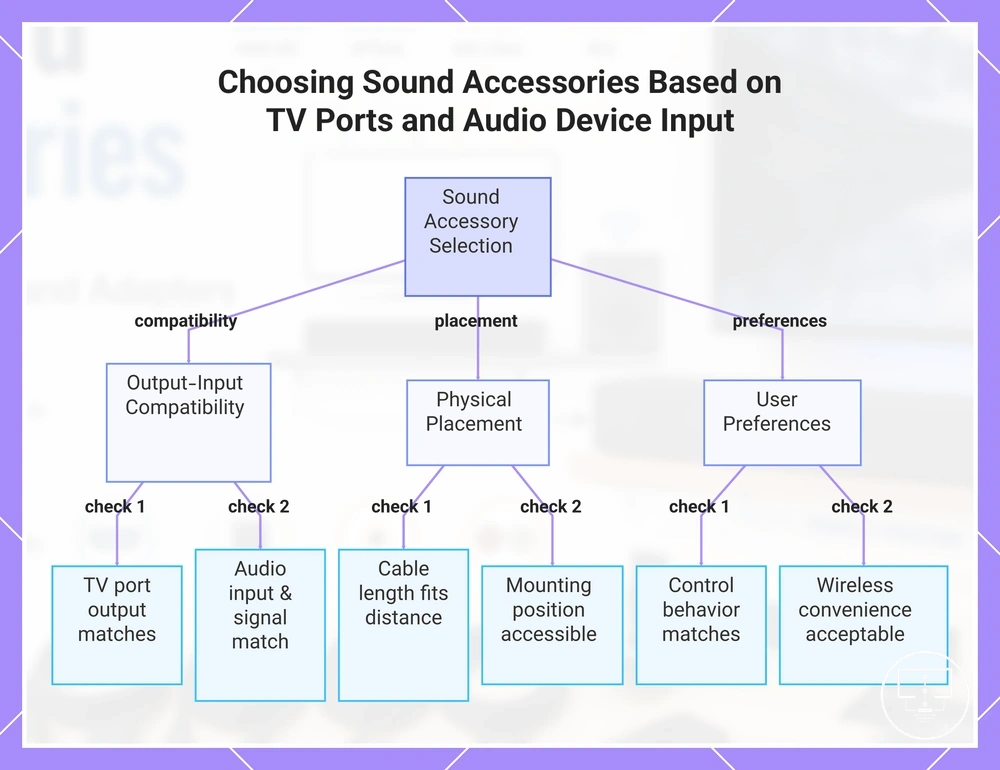
Choosing sound accessories depends on matching TV ports with the audio device input and aligning both with the intended listening use. The decision is driven by TV output and audio device input, where compatibility defines which sound accessories can properly fit the setup.
When TV ports are limited or specific, the selection of sound accessories is directly shaped by what the audio device input can accept. This determines whether the setup prioritises wired reliability, adapter compatibility, or wireless convenience. In many cases, the available connection path is decided before any preference for accessory type becomes relevant.
Selection decisions should also account for sound accessory compatibility between TV output and audio device input, especially when signal types differ. Matching these correctly reduces setup risks and helps determine whether a direct connection, adapter-based solution, or alternative routing is required.
Cable length, mounting position, and control behavior further refine the choice of sound accessories. Longer cables may improve placement flexibility but can introduce routing constraints, while mounting position affects alignment and accessibility. Control behavior also influences whether integrated control or separate operation is more suitable for the setup.
Final selection often comes down to how well the chosen sound accessories align with real setup conditions. To proceed with a structured decision path, users can choose sound accessories based on compatibility, placement, and control requirements.
Before selecting, verify the following setup conditions:
- TV ports match the required output type for the audio device input
- Audio device input supports the selected connection method or adapter
- Signal type compatibility is confirmed to avoid mismatched connections
- Cable length fits the physical distance between TV and audio device
- Mounting position allows proper alignment and accessibility
- Control behavior matches user preference for integrated or separate control
- Wireless convenience is acceptable considering possible latency or pairing limits
This chart shows the three main verification categories—compatibility, placement, and user preferences—for selecting sound accessories that match your TV and audio device setup.
Soundbar mounting and placement accessories
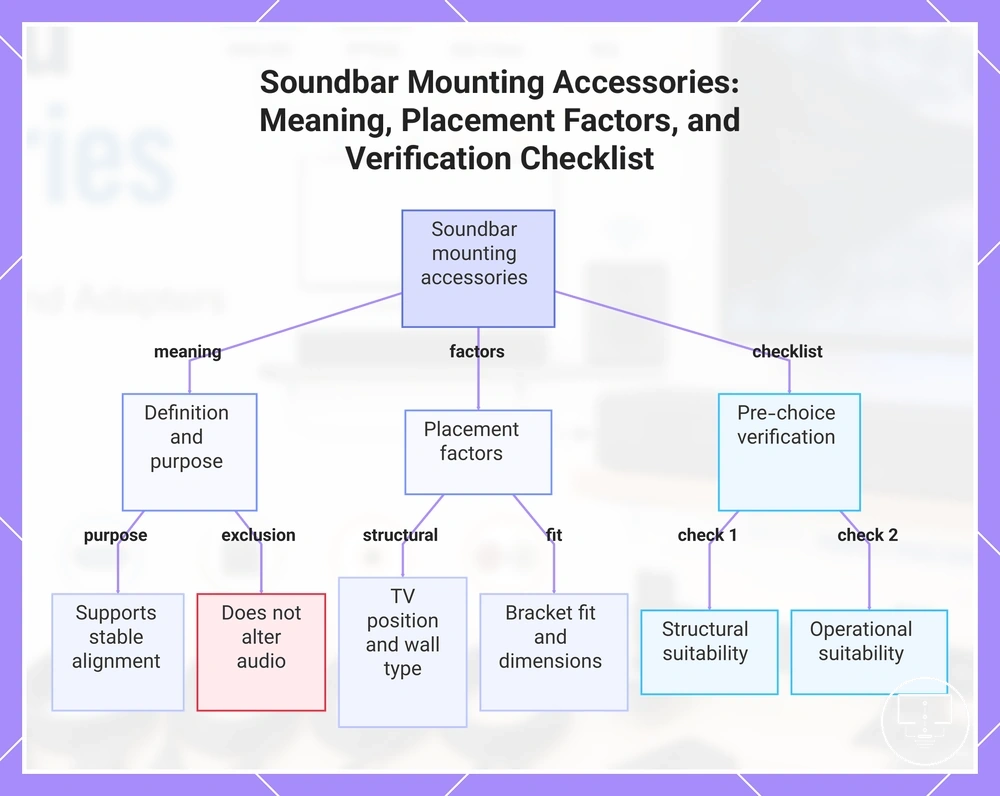
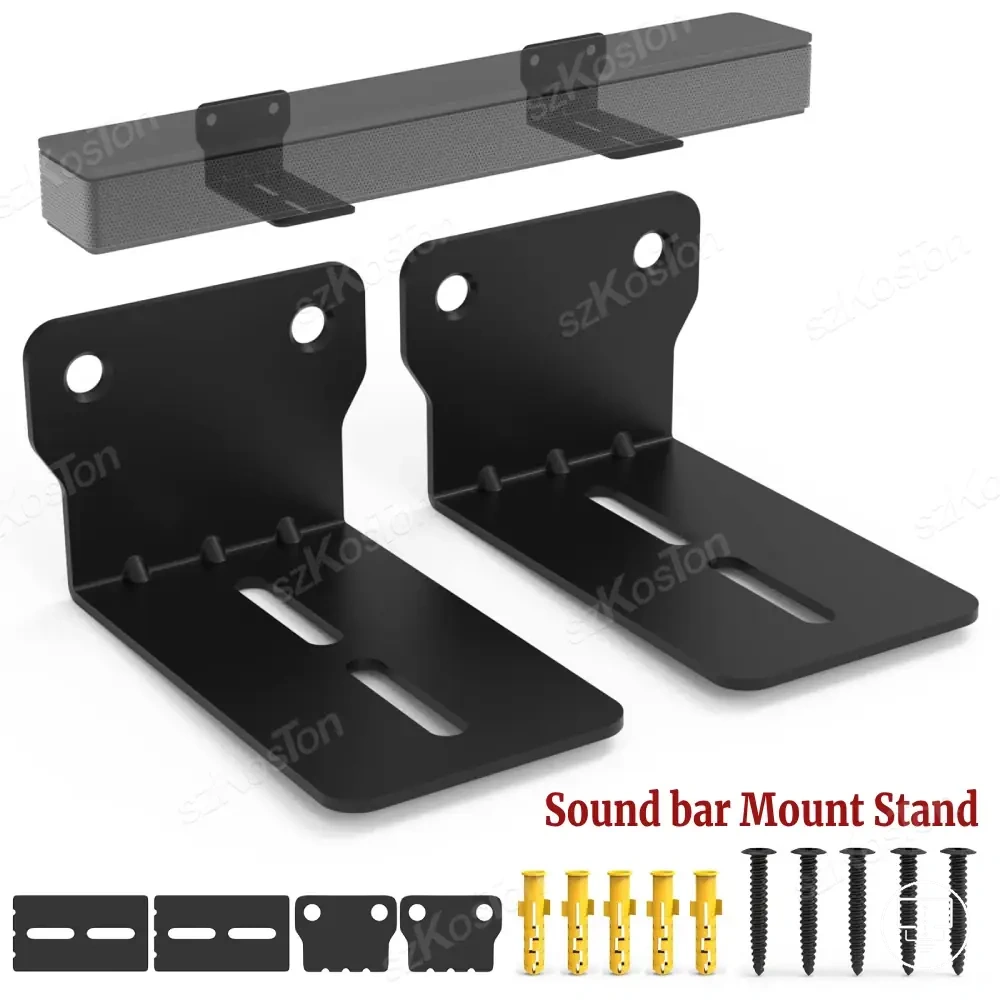
Soundbar mounting accessories are placement accessories used to support stable positioning of a soundbar in relation to a TV, ensuring cleaner alignment and practical TV audio use. These soundbar mounting accessories include soundbar mounts, wall brackets, and TV-mounted brackets, and they define how the soundbar is physically positioned rather than altering audio performance itself.
Soundbar placement depends on TV position, wall type, and bracket fit, where each factor influences whether a soundbar mount or wall bracket can hold the device securely and maintain alignment. In TV-mounted setups, a TV-mounted bracket supports direct alignment under the screen, while wall type affects how safely a wall bracket can be installed and how stable the final positioning remains over time.
When placement is not correctly aligned, issues such as reduced clearance or blocked sound direction can occur, especially if cable reach is limited or remote sensor clearance is obstructed. In these cases, adjusting the soundbar mount or switching placement accessories can help restore usability by improving accessibility and maintaining clear signal direction from the TV area.
Soundbar mounting accessories should match the physical conditions of the setup, as stability and alignment depend on bracket fit and installation context rather than a universal configuration.
Before choosing soundbar placement accessories, verify the following conditions:
- TV position supports stable alignment with the soundbar mount
- Wall type is suitable for secure wall bracket support
- Bracket fit matches the soundbar and TV-mounted bracket dimensions
- Cable reach allows proper connection without strain or bending
- Remote sensor clearance remains unobstructed for normal control use
This chart shows what soundbar mounting accessories are, the main placement factors that affect stability, and the conditions to verify before choosing placement accessories.
Wall-mounted and TV-mounted soundbar brackets
Wall-mounted and TV-mounted soundbar brackets are mounting hardware used to position a soundbar near a TV, and the difference is based on mounting surface versus VESA relation, affecting alignment and access through different fit conditions. A wall-mounted soundbar bracket attaches to a mounting surface, while a TV-mounted soundbar bracket aligns with the TV structure through VESA relation, influencing placement stability and usability.
Bracket choice depends on where the soundbar should move, rest, or align in the setup, with wall-mounted soundbar bracket used when a fixed mounting surface is required and TV-mounted soundbar bracket used when alignment follows the TV frame. In both cases, mounting surface, VESA relation, and fit condition determine whether the result improves alignment, access, or placement flexibility.
| Bracket type | Best-fit condition |
|---|---|
| Wall-mounted soundbar bracket | Suitable when a fixed mounting surface is available and stable alignment with the TV position is required |
| TV-mounted soundbar bracket | Suitable when VESA relation with the TV frame supports aligned positioning and adjustable access with the screen |
Soundbar position above or below the TV
Soundbar position depends on screen height, stand clearance, wall layout, cable path, and remote sensor visibility, with above the TV or below the TV placement determined by these setup conditions rather than a fixed rule.
In practical setups, below the TV is often considered when stand clearance supports stable alignment and cable path routing remains unobstructed, while above the TV may be used when wall layout or screen positioning limits lower placement. Remote sensor visibility and alignment with the viewing area also influence usability and control access, shaping how soundbar position affects everyday interaction.
Above or below placement can both work in different configurations, but suitability varies by room layout and device positioning conditions.
Before deciding soundbar position, check the following conditions:
- Screen height supports comfortable viewing alignment with the soundbar position
- Stand clearance allows unobstructed placement below the TV if selected
- Wall layout supports stable upper placement if above the TV is considered
- Cable path remains accessible without strain or clutter
- Remote sensor visibility is not blocked by the soundbar or surrounding setup
Connecting TV sound accessories in the right setup order
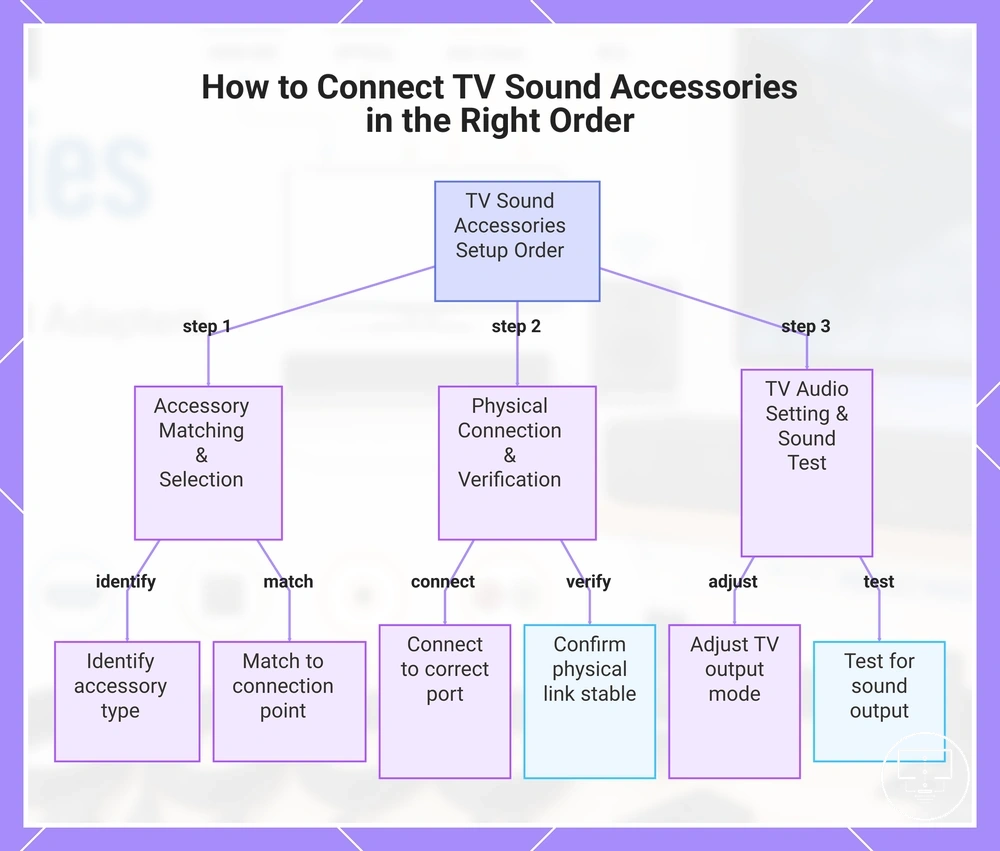
Connecting TV sound accessories in the right setup order reduces port mismatch, missing audio output, and unnecessary troubleshooting by ensuring each TV sound accessories connection follows a clear sequence. The setup order depends on selecting the correct accessory first, then matching the connection point, followed by the TV audio setting and final confirmation, especially when using HDMI ARC, optical cable, or adapter-based soundbar setups.
1) Identify the TV sound accessories such as a soundbar, HDMI ARC cable, optical cable, or adapter, then match each accessory to its correct connection point on the TV or audio device to avoid mismatch. 2) Connect the selected TV sound accessories to the correct connection point, such as HDMI ARC or optical cable input, and verify that the accessory is properly seated at the port. 3) Check the connection point detection on the soundbar or device and confirm that the physical link is stable as the first confirmation step. 4) Adjust the TV audio setting based on the selected output type, such as HDMI ARC, optical, or adapter output, then test for initial sound output as the final check before troubleshooting.
In different setups, a soundbar connected through HDMI ARC may require enabling the matching TV audio setting, while optical cable or adapter setups may rely on selecting the correct output mode. These differences depend on how the connection point is interpreted by the TV system, so confirmation through sound output helps verify that the setup order is correctly followed.
The correct setup order ensures that accessory selection, connection point alignment, and TV audio setting checks are completed before troubleshooting begins, reducing unnecessary adjustments and improving initial confirmation success.
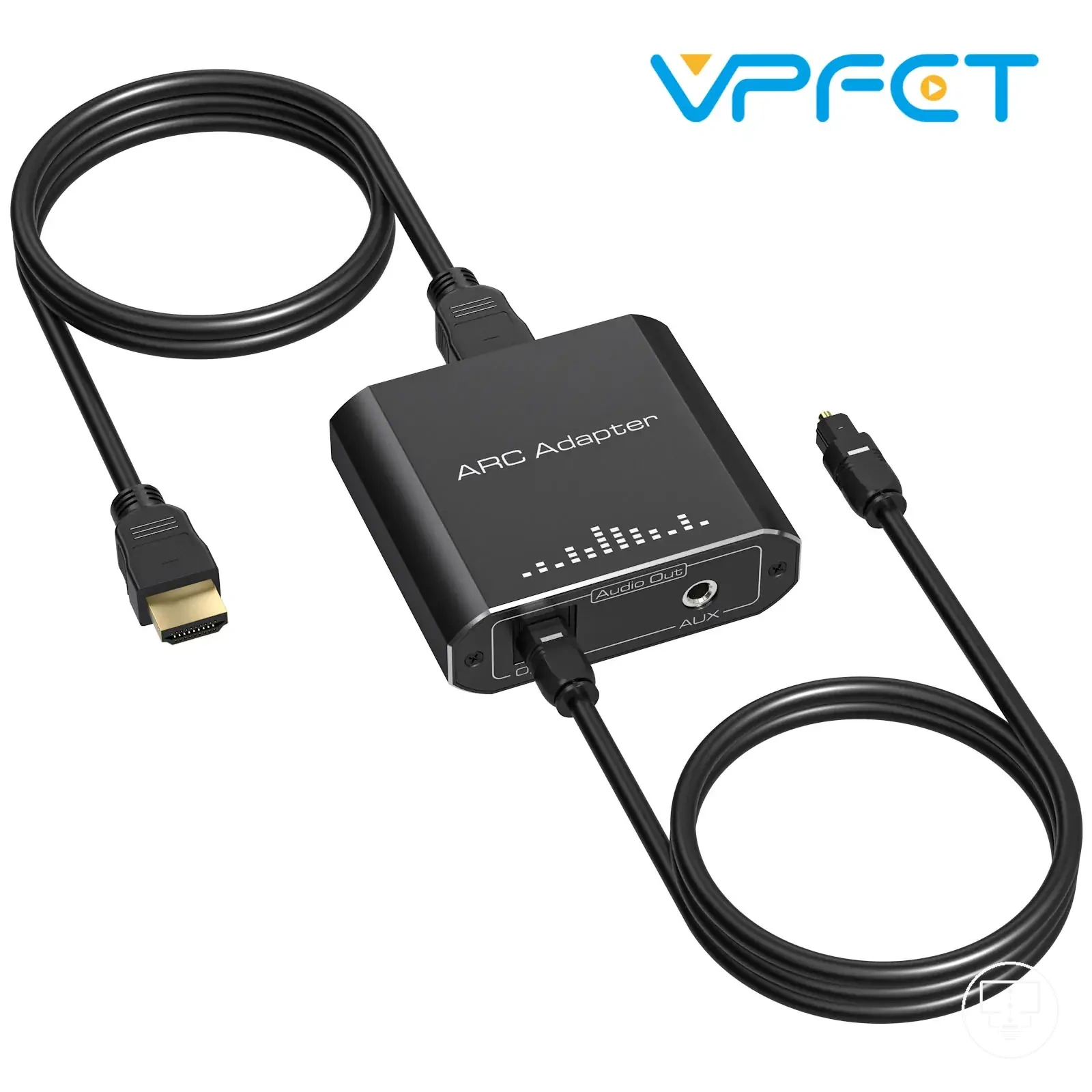
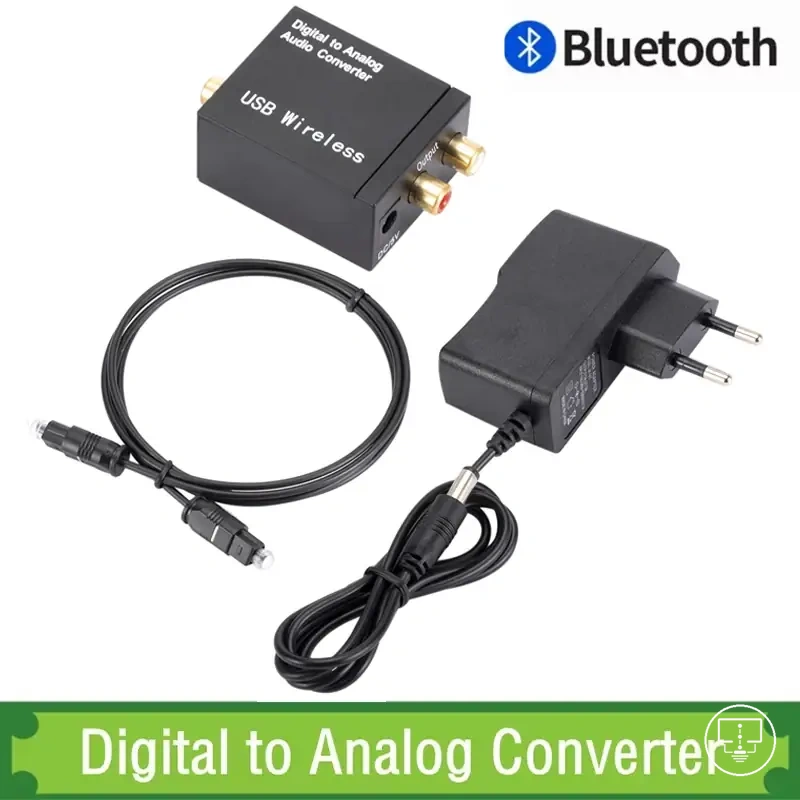
The products below are useful examples for comparing available options. Before buying, check that the compatibility criteria, key features, and product details match your needs.

This chart outlines the correct step-by-step setup order for connecting TV sound accessories to avoid port mismatch and audio issues.
Sound setup problems caused by accessories
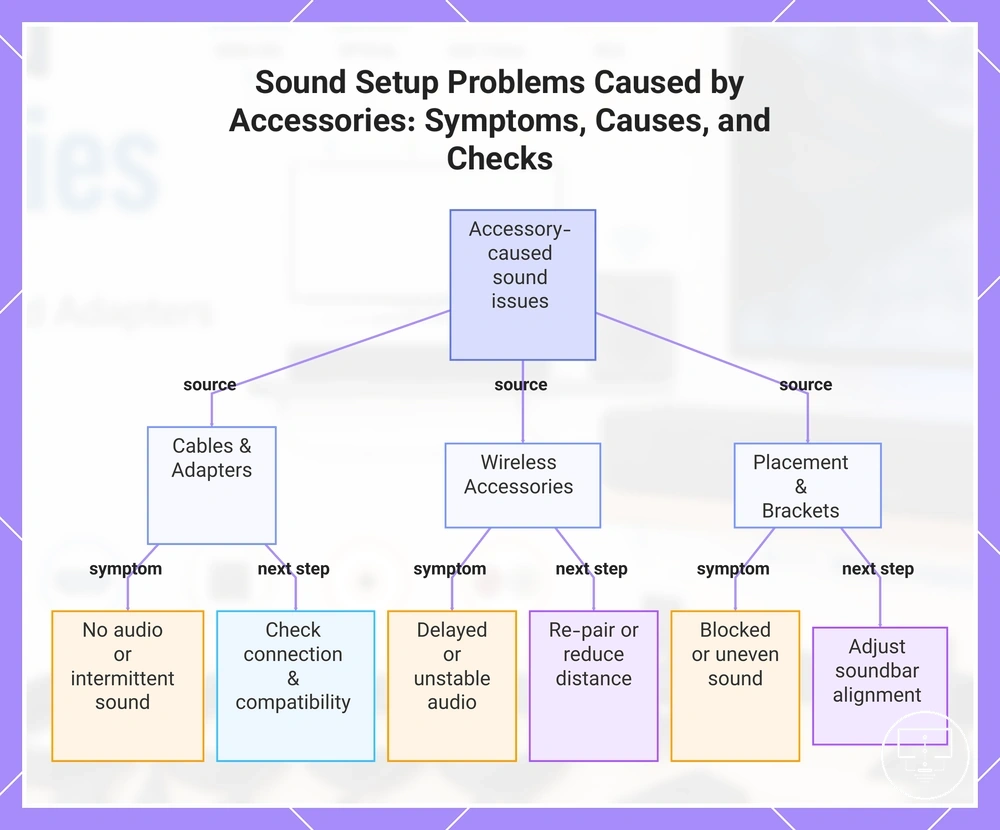
Sound setup problems caused by accessories refer to audio issues that originate from cables, adapters, brackets, wireless accessories, or their related settings in a TV audio system. These sound setup problems are commonly linked to mismatched ports, unsupported formats, loose connections, power needs, or placement conflicts, which can affect how a soundbar or audio device receives and processes sound output.
When sound setup problems occur, symptoms are often tied directly to accessory conditions such as a cable not fully seated in the connection point, an adapter not supporting the required signal, or wireless accessories failing due to pairing or stability limits. In some cases, incorrect TV audio setting selection or insufficient power delivery to external accessories can also create no sound or unstable audio output, making accessory-level checks the first step in diagnosis.
- Symptom: No audio output → Likely accessory cause: loose or disconnected cable → Check condition: connection point stability → Safe next action: reseat cable or test replacement cable
- Symptom: Intermittent sound → Likely accessory cause: mismatched ports or weak adapter → Check condition: HDMI ARC or optical cable alignment → Safe next action: reconnect or switch cable type if needed
- Symptom: Delayed audio → Likely accessory cause: wireless accessory latency → Check condition: Bluetooth pairing and distance → Safe next action: re-pair device or reduce range
- Symptom: No signal detected → Likely accessory cause: unsupported format → Check condition: TV audio setting and adapter compatibility → Safe next action: adjust output mode if supported
- Symptom: Distorted or low sound → Likely accessory cause: power limitation in adapter or device → Check condition: power needs of accessory → Safe next action: use powered alternative if required
- Symptom: Blocked or uneven sound → Likely accessory cause: placement conflict with brackets → Check condition: soundbar alignment and clearance → Safe next action: adjust positioning
In many cases, a sound setup problem appears to be a system fault but is actually caused by accessory-level issues such as cables, adapters, wireless accessories, or placement conflicts that disrupt normal audio flow. Safe next action is to isolate each accessory before assuming a broader device failure.
For cases where issues persist beyond accessory checks, broader system-level troubleshooting may be required outside the accessory scope, as sound setup problems can also originate from the TV or audio system itself.
Sound setup problems caused by accessories should always be diagnosed step-by-step to separate accessory faults from wider system issues before replacement decisions are made.
This chart shows common sound setup problems caused by accessories, including the typical symptoms and recommended diagnostic steps for cables, adapters, wireless accessories, and placement conflicts.
No sound after connecting a soundbar or adapter
No sound after connecting a soundbar or adapter happens when a mismatch occurs between the TV output, soundbar, or adapter, often linked to disabled ARC, unsupported adapter, muted device, loose cable, or incorrect setting check. This no sound situation usually requires a direct connection and setting check rather than assuming a hardware fault.
No sound can also appear when the TV output is not selected correctly, the soundbar input does not match the active source, or the adapter does not support the required signal type. In most cases, the issue is identified through a simple setting check and staged diagnostic steps before moving to any replacement or broader troubleshooting. :contentReference[oaicite:0]{index=0}
1) Check TV output (HDMI ARC, optical, or external speaker mode); if incorrect, no sound will occur and selecting the correct output is the next fix. 2) Verify loose cable or connection stability at both TV and soundbar; if unstable, reseat cable and confirm audio output. 3) Confirm soundbar or adapter input matches the TV output; if mismatched, adjust input source to restore signal. 4) Check disabled ARC setting on TV; if ARC is off, enabling it may restore audio output depending on setup. 5) Check muted device status on TV, soundbar, or remote; if muted device is found, unmute to restore sound.
Low volume, delay, or audio sync issues
Low volume, delay, or audio sync issues occur when TV sound accessories interact with the connection method, device processing, TV settings, or wireless latency in ways that affect how audio is delivered and aligned with video. These conditions make low volume, delay, and audio sync issues dependent on setup behavior rather than a single fixed cause.
In practice, these issues can vary depending on the connection method used between the TV sound accessories and the audio device, as well as how the system processes sound through TV settings and internal device processing. Wireless latency may also influence timing, while some cases relate to output configuration limits, so the reasonable fix depends on identifying the specific condition affecting the signal path rather than assuming a universal correction.
| Symptom | Likely cause | Check | Reasonable fix or limitation |
|---|---|---|---|
| Low volume | TV settings or audio output level mismatch | TV setting and audio output check | Adjust output level or audio setting configuration |
| Bluetooth delay | Wireless latency in connection method | Wireless pairing and connection method check | Latency may reduce with stable pairing or shorter range, but may not fully disappear |
| HDMI ARC control issue | Device processing or control communication mismatch | ARC setting on TV and soundbar check | Reconfirm HDMI ARC setting and control configuration |
| Optical format limit | Audio format limitation in optical output | TV output format check | Use supported audio format within optical constraints |
| Audio sync mismatch | Device processing delay between video and audio | Device processing and TV setting check | Minor adjustment may improve sync depending on system behavior |